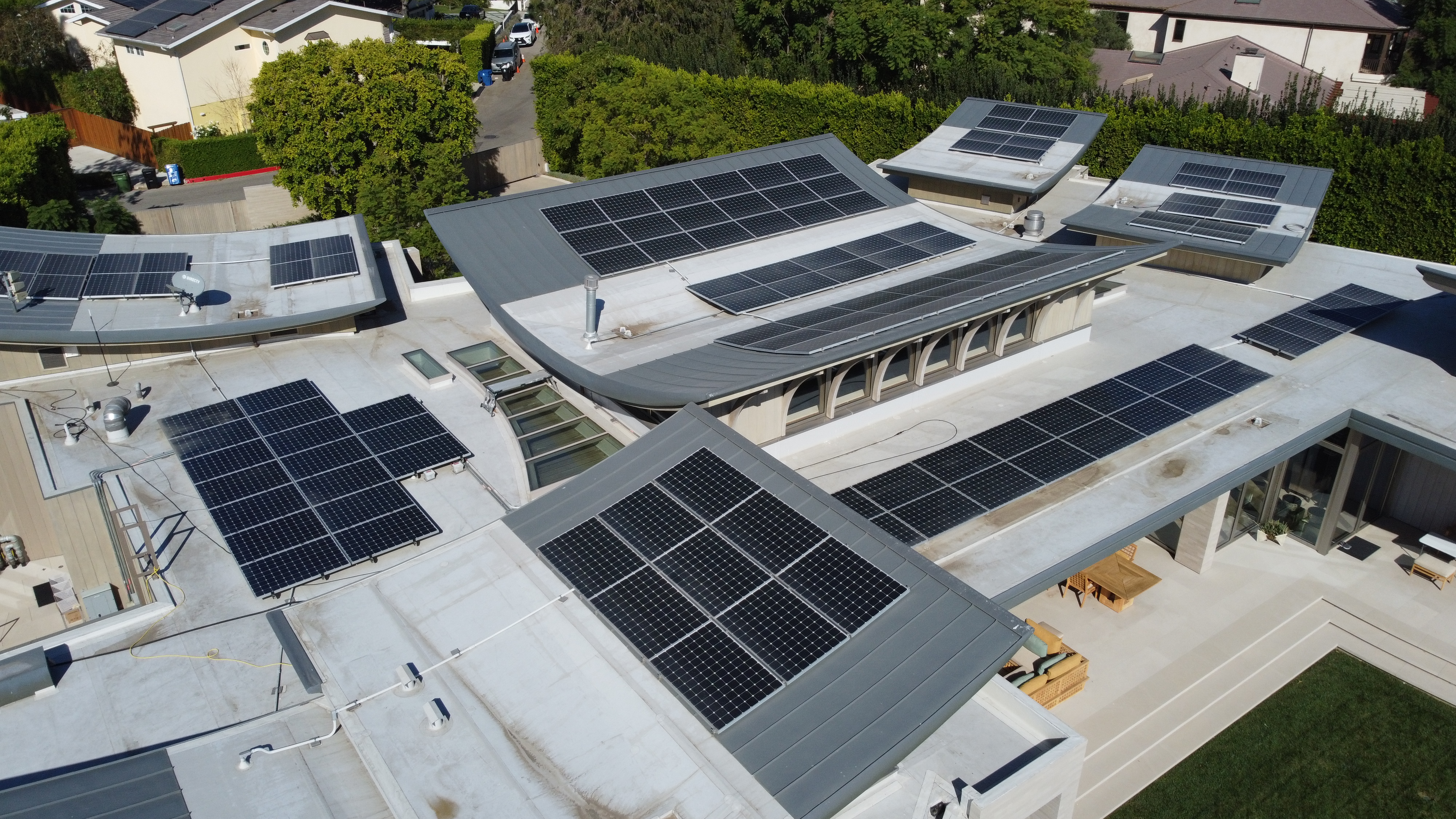
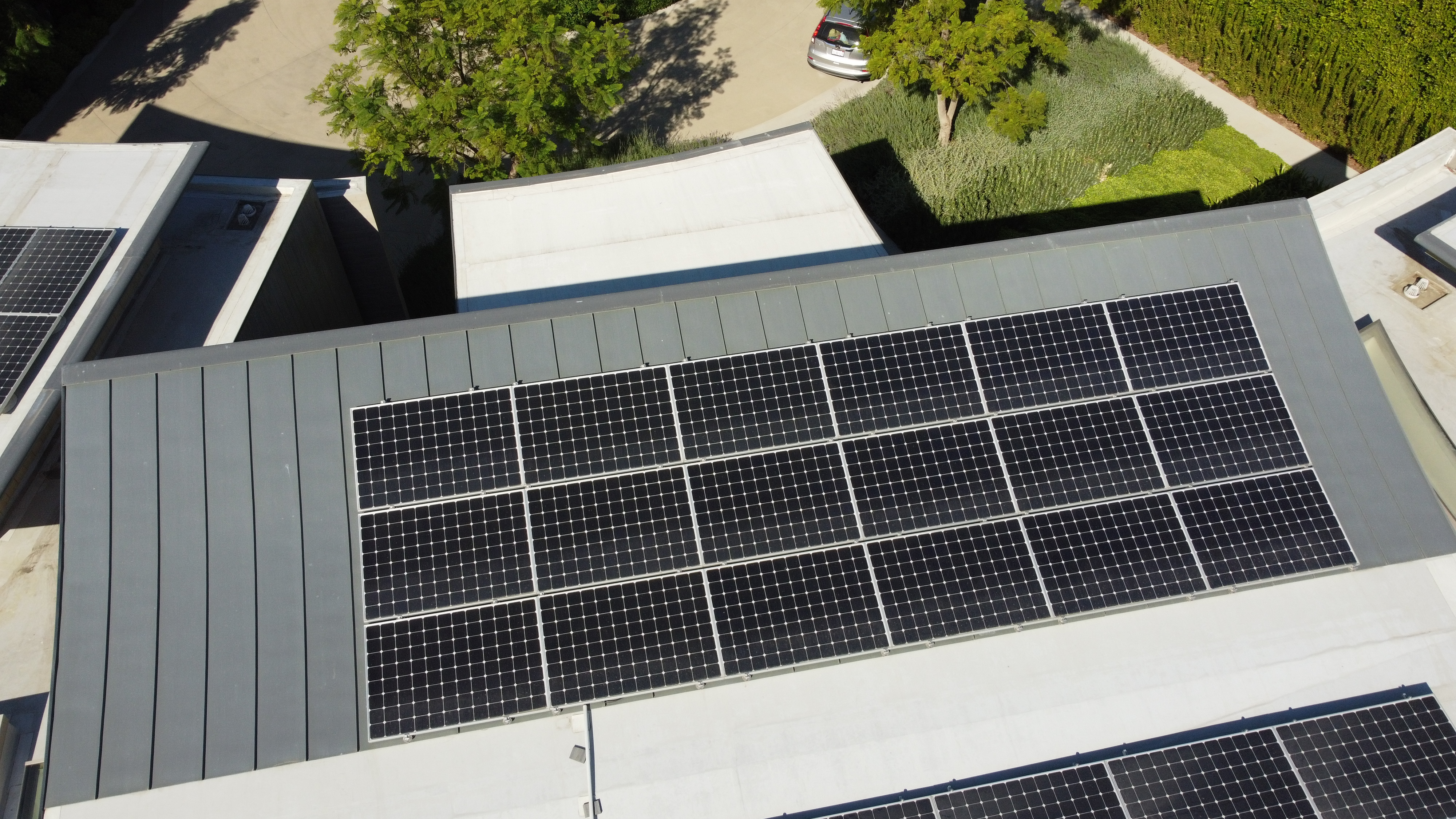
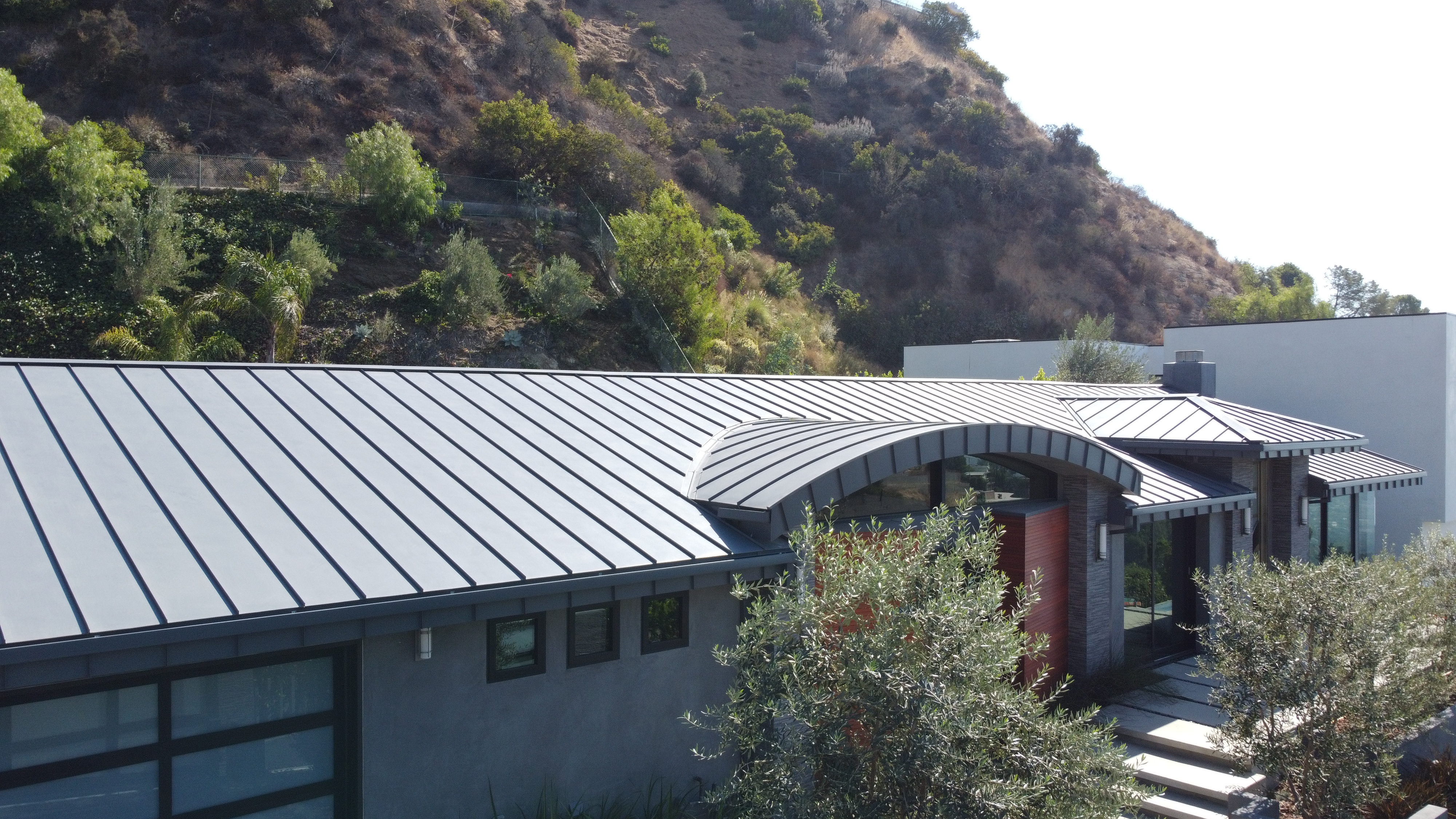
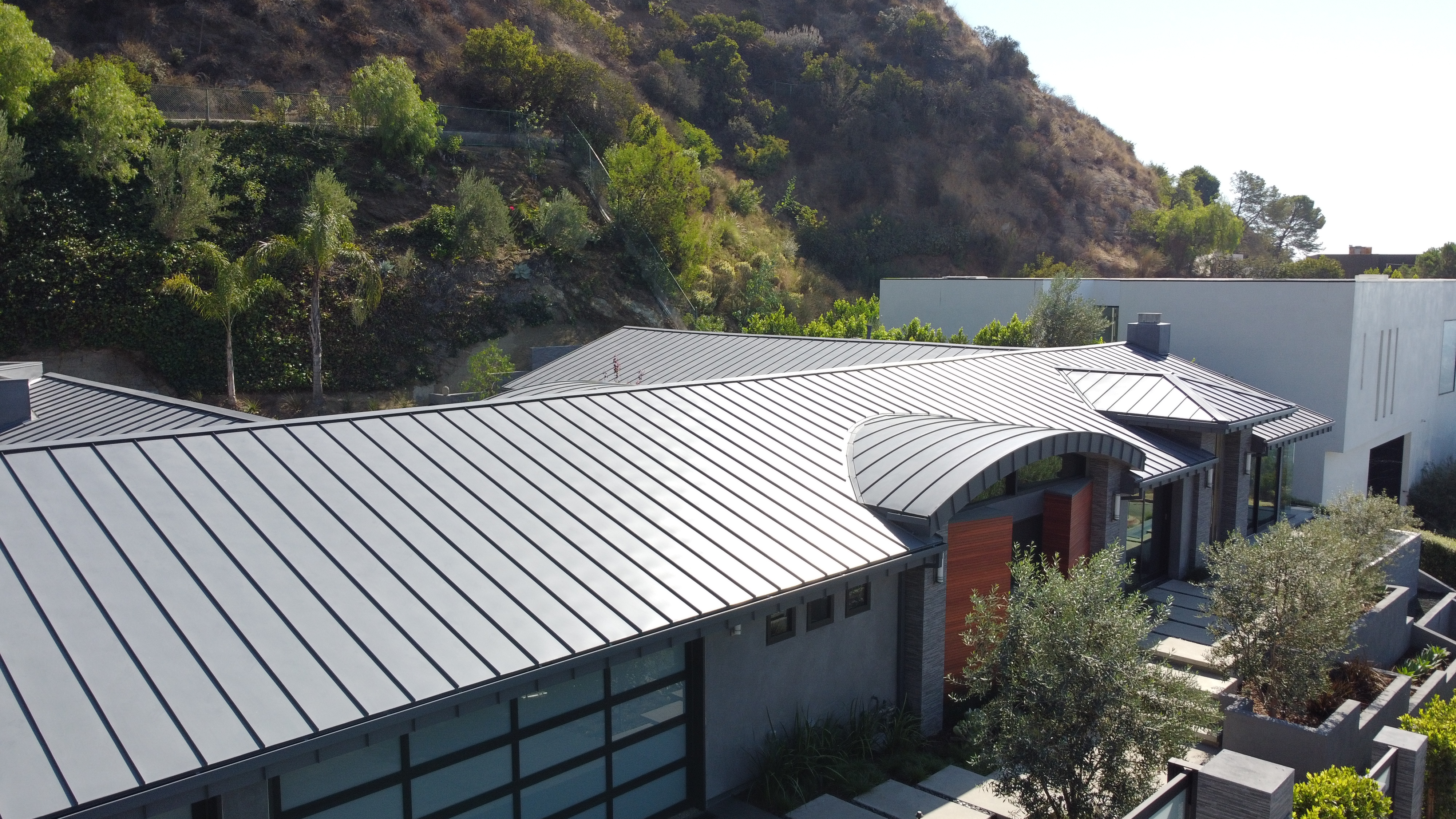
Zinc: centuries of architectural tradition, self-healing by design.
An affordable, long-life, cost-effective metal with a self-forming protective patina and understated elegance that's remained a natural choice for architects for generations.
Overview
For centuries, zinc has been recognized as a trusted and versatile architectural metal. Today, zinc continues to expand the timeless traditions of form, function, and artistic expression that make it a natural choice for designers, architects, and builders. From the rich architectural heritage of the past to the contemporary tastes and advanced technologies of today, zinc is an affordable, long-life, cost-effective material. With its abundant choice of colors and finishes, zinc's versatility, workability, and understated elegance make it a very attractive option for architectural metal cladding and roofing.
Corrosion Resistance and Longevity
The physical properties of zinc make it a unique and useful material for an exterior building surface. Zinc resists continued corrosion: upon exposure to moisture and carbon dioxide, both present in our atmosphere, a protective layer of zinc carbonate forms on its surface, prohibiting the corrosion process that steel experiences. The resulting zinc-carbonate layer creates an attractive bluish patina. In addition to its appealing finish, this protective barrier provides longevity that will allow zinc to protect a building's exterior for years to come — it's not uncommon for a properly designed zinc roof or wall panel system to last over 50 years in most climatic conditions. Zinc can also "heal" itself over time: as it continues to patina throughout its life, scratches and imperfections that were once present will virtually disappear.
Certain conditions will prohibit the protective patina from forming. If zinc is exposed to moisture — from humidity, condensation, or submersion in water — without the presence of carbon dioxide, white rust will form and continue to deteriorate the zinc, just as rust does on steel. This can occur on the backside or underside of a panel that isn't exposed to the exterior environment. To prevent it, the backside or underside of a standing-seam roof panel, wall panel, or gutter interior should always be coated, and ventilation should be provided behind panels to move away accumulated condensation.
Thermal Expansion and Contraction
It's especially critical to allow for sufficient thermal movement in architectural zinc panels, since zinc can expand over twice the distance of a steel panel. Even in a temperate climate, zinc will expand almost an entire inch for every 30 feet of panel under extreme temperature differentials. If clips or fasteners restrict the panel during expansion or contraction, the panel surface will buckle — an effect more pronounced in larger panels. Restricting movement will also cause solder or sealants that keep the system watertight to break down over time. All components should be given approximately ¼"–½" at laps, ends, joints, and seams to allow for thermal expansion.
Fabrication
Conventional installation and fabrication techniques, similar to those used for other architectural metals, apply to zinc. Its workability is comparable to copper, using standard metal forming tools, processing, and machinery. Zinc can be soldered and accepts adhesives and sealants well. We supply zinc in coil and sheet widths up to 48", in typical thicknesses from .7mm to 1.5mm.
Green Building Product
Sustainable materials are key elements of green buildings. Some benefits of sustainable materials include durability, long life, recyclability, and energy and thermal efficiency — zinc ranks highly in all of these categories.
A Cost-Effective Building Material
Zinc is competitively priced against other architectural metals. New, more effective production techniques, combined with an abundance of raw and refined ore, have improved availability. Its corrosion resistance lowers installed unit cost, and well-researched designs that exploit its unique attributes, paired with long-term savings from durability and low maintenance, make zinc a competitive architectural building material on a lifecycle basis — backed by our 25-year warranty.
In Conclusion
When installed properly, with appropriate consideration for its surroundings, zinc is an aesthetically pleasing, long-lasting, and beneficial choice for roofing and cladding. Very few practical building metals offer such an attractive array of characteristics, and zinc's architectural appeal continues to grow as more designers realize the benefits of this material. We selectively partner with vendors offering the highest quality zinc available in a range of sizes, thicknesses, colors, and finishes — contact us for details.
Zinc Installations