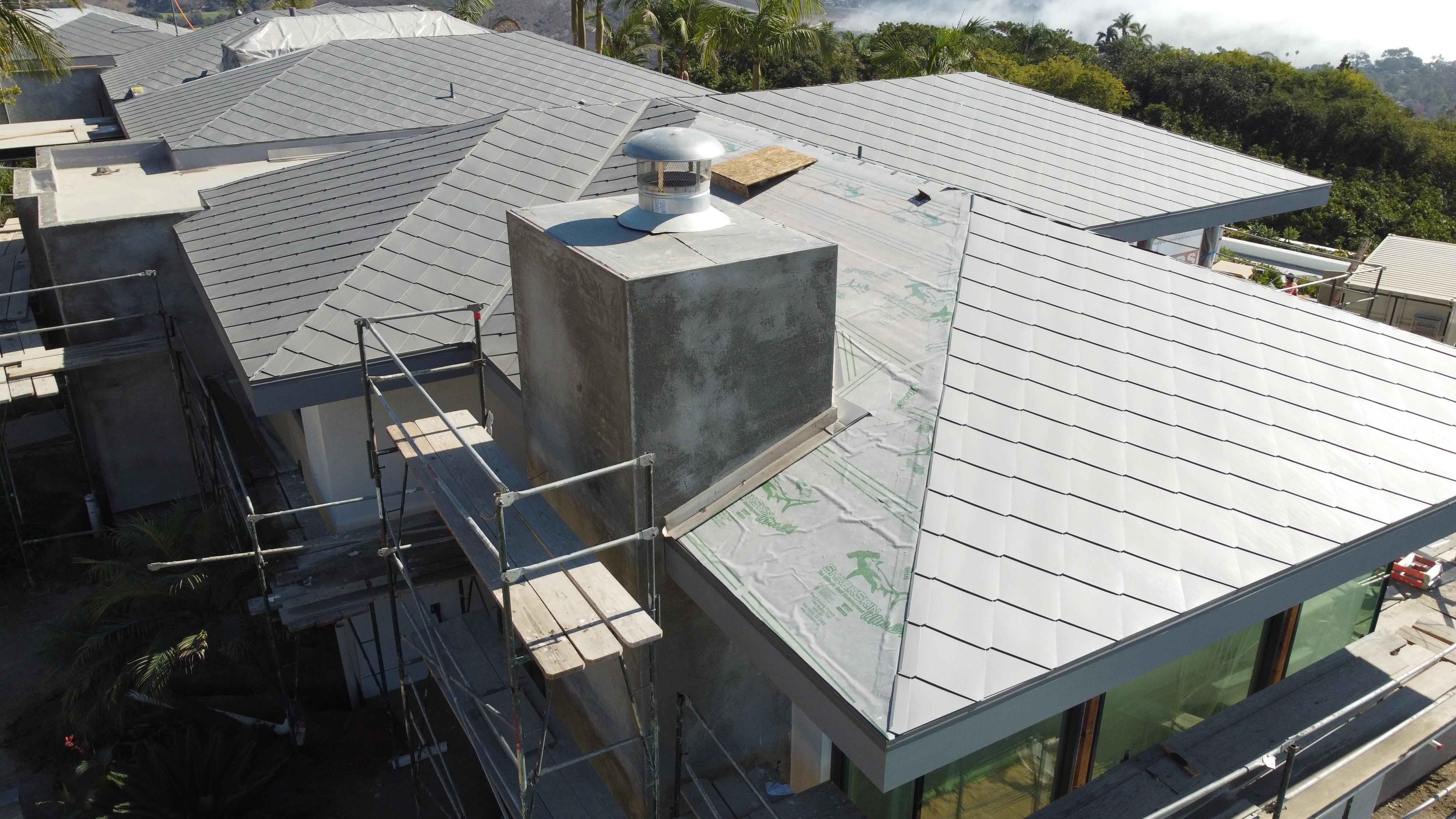
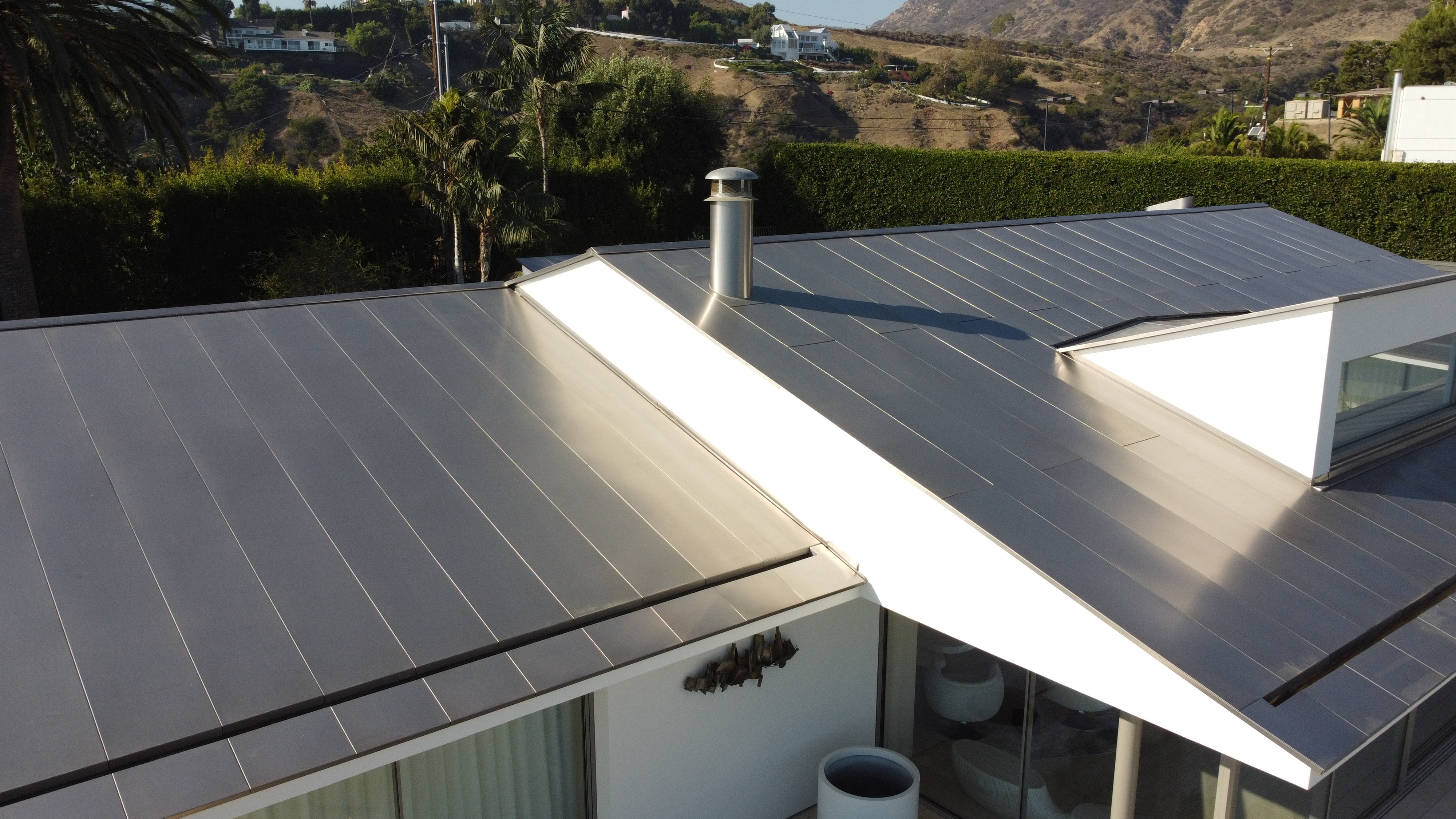
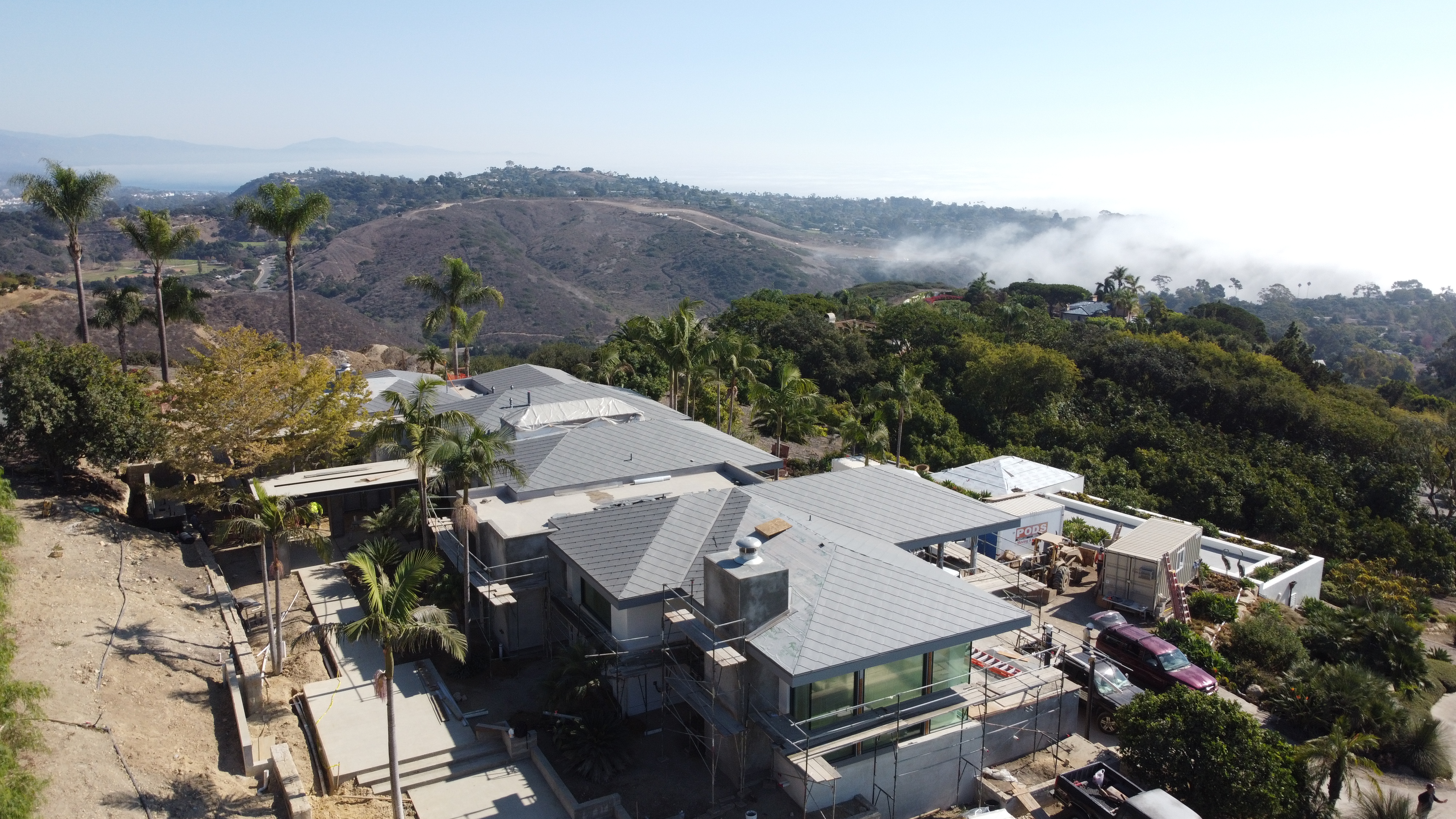
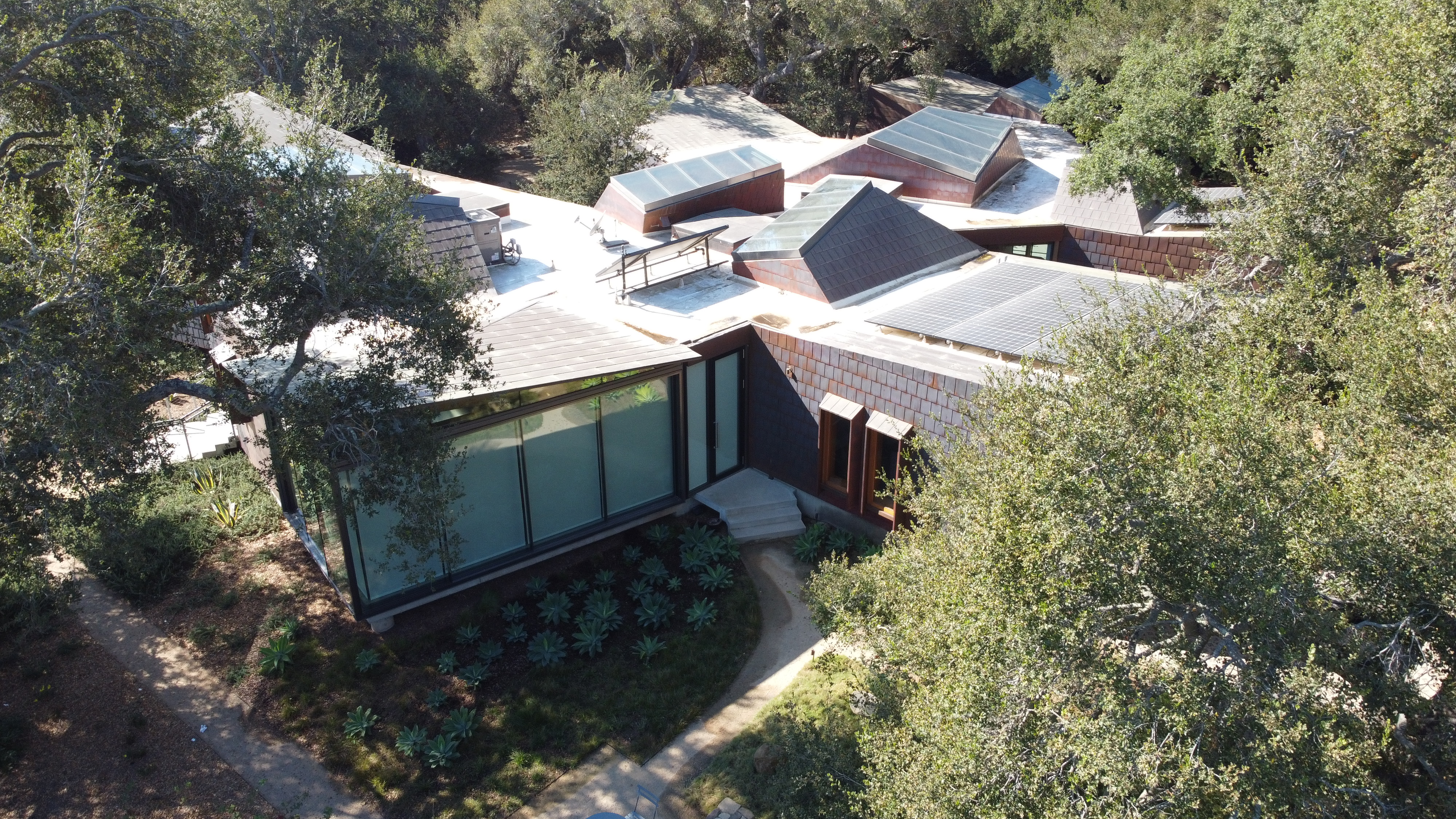
Titanium: the new generation architectural building material.
A perfect blend of versatility, durability, sustainability, and natural beauty — with corrosion resistance no other architectural metal can match.
Overview
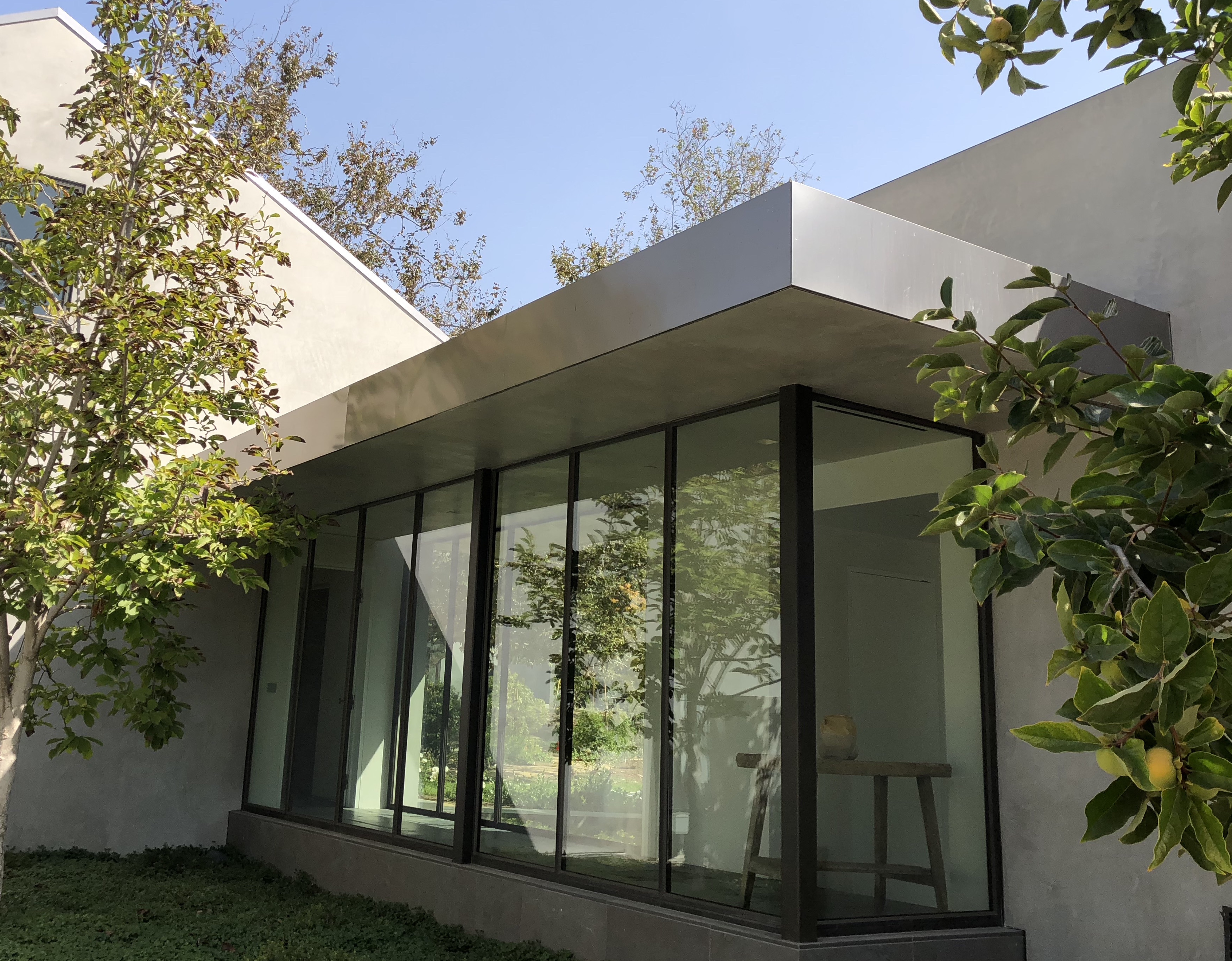
Titanium is the new generation building material — a perfect blend of versatility, durability, sustainability, and natural beauty. It's everything you should expect in a high-end, high-performance building material. Its dramatic, maintenance-free natural finish, excellent corrosion resistance, low thermal expansion, and competitive cost make it the practical choice for diverse architectural applications, including exterior cladding, roofing systems, column covers, fascia, soffit, interior cladding and cabinets, windows and doors, and more.
Superior Corrosion Resistance
Titanium is essentially immune to environmental conditions, regardless of the presence of acidic pollutants, even in the harshest salt-water marine environment. Where other metals fail, titanium endures. Architectural titanium's unsurpassed corrosion resistance results from its stable, highly adherent, protective surface oxide film. Because the metal is highly reactive and has a strong affinity for oxygen, the beneficial oxide film forms spontaneously when exposed to moisture or air — and a damaged oxide film generally restores itself instantaneously.
Lowest Thermal Coefficient
Applications requiring architectural flatness in roof and wall systems benefit greatly from titanium's low expansion rate. Its coefficient of thermal expansion is half that of stainless steel and copper, one third of aluminum, and only 25% of zinc. This effectively eliminates surface distortion and stress-related abnormalities normally associated with expansion and contraction — affording more latitude in concept and design, and resulting in larger, flatter panel systems, tight seams, and clean lines. Titanium also has excellent mechanical strength comparable to high-strength steel, and its modulus of elasticity is half that of stainless steel, meaning it's more flexible and thermal stress on the material stays very low.
Natural Surface Finish
The basic appearance of natural titanium is pleasing, thanks to its soft reflectivity and subtle silver-grey color — dramatic and visually inspiring. Titanium coexists easily with coordinated building surfaces and tones, and its uniform consistency affords designers a stable, congruent surface with no noticeable change from its naturally developing oxide film. Because of its outstanding corrosion resistance, titanium requires no corrosion-preventive coating. Its appearance can also be customized through secondary metal processing techniques, including etching, embossing, abrasive blasting, plating, anodizing, and perforating.
Fabrication
Conventional installation and fabrication procedures, similar to those used for other architectural metals, apply to architectural titanium. Its workability is comparable to stainless steel and zinc, using standard metal forming tools, processing, and techniques. Regular Argon TIG welding procedures, coupled with titanium's self-restoring oxide film, prevent welds from deteriorating. Titanium weighs about 60% of steel, half that of copper, and 1.7 times that of aluminum — its strength-to-weight ratio simplifies fabrication and eases installation. We supply architectural titanium as coil, sheet, or finished panel systems, in typical thicknesses from .5mm to 1mm and widths up to 48". Commercially pure Grade 1/2 (ASTM B265) is most commonly specified for architectural applications.
Green Building Product
Due to its relative inertness and long life cycle, titanium is considered environmentally friendly. It's 100% recyclable and the product of a renewable resource.
A Cost-Effective Building Material
Titanium is competitively priced against other architectural metals. New, more effective production techniques, combined with an abundance of raw and refined ore, have improved availability. Its corrosion immunity, strength, and physical properties further lower its installed unit cost. Well-researched designs that exploit titanium's unique attributes, paired with long-term savings from durability and low maintenance, make it today's most cost-effective architectural building material on a lifecycle basis — backed by our 100-year warranty.
Titanium Installations