Copper: architecture's oldest metal, still evolving after centuries.
A living, organic material with a warm coloration and soft reflective surface that develops its signature patina naturally — and some historic installations are still performing after 700 years.
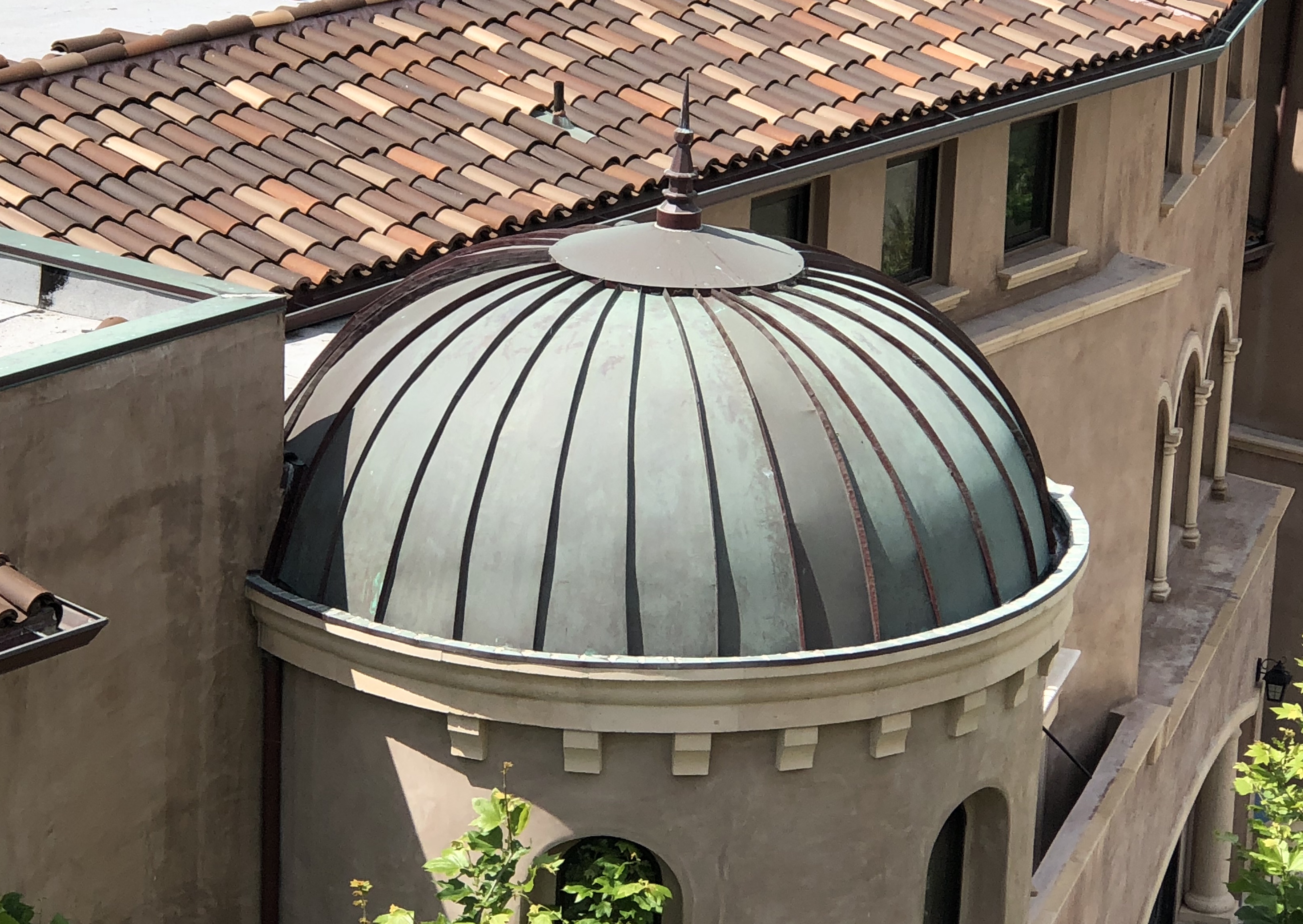
Overview
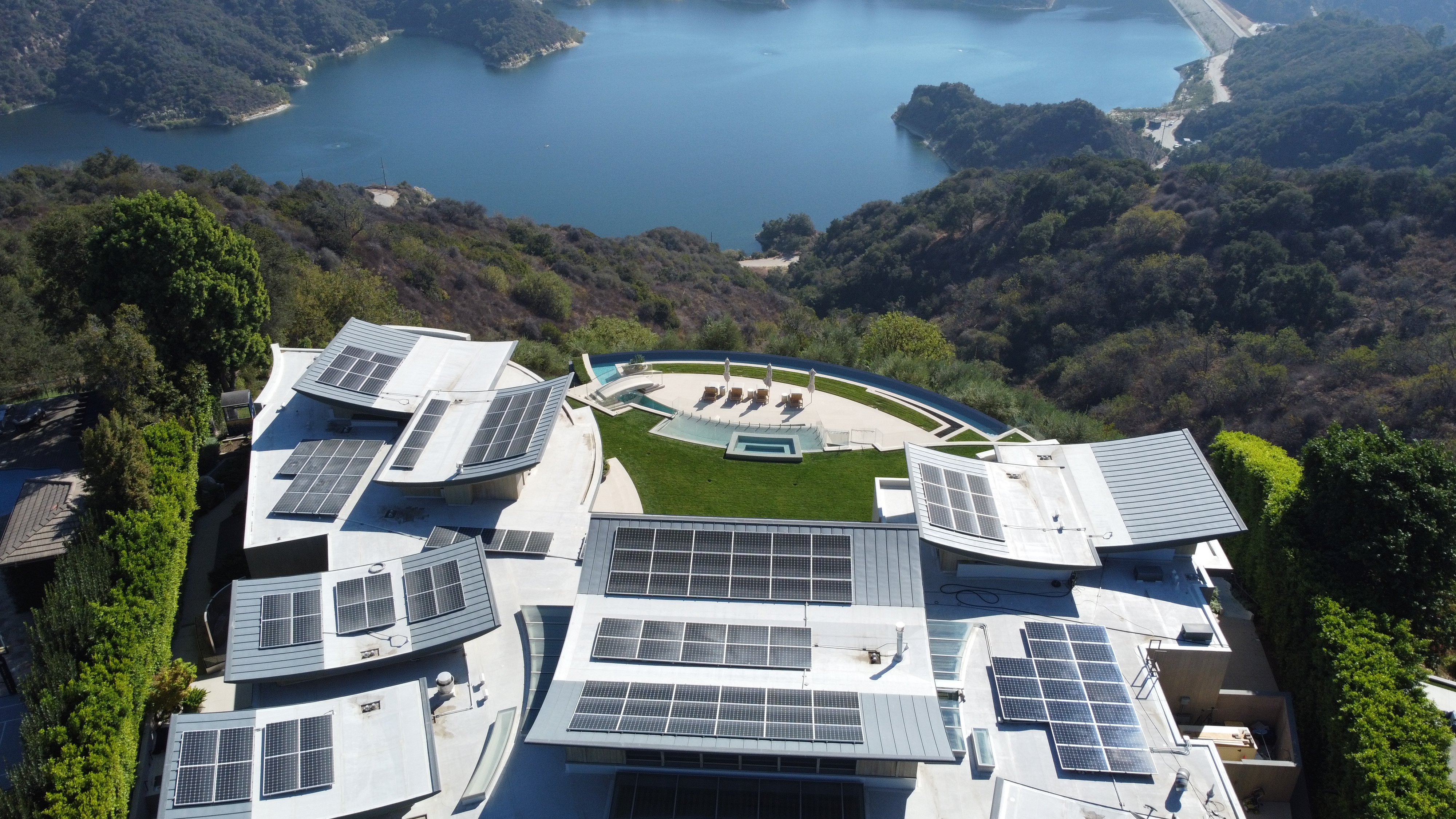
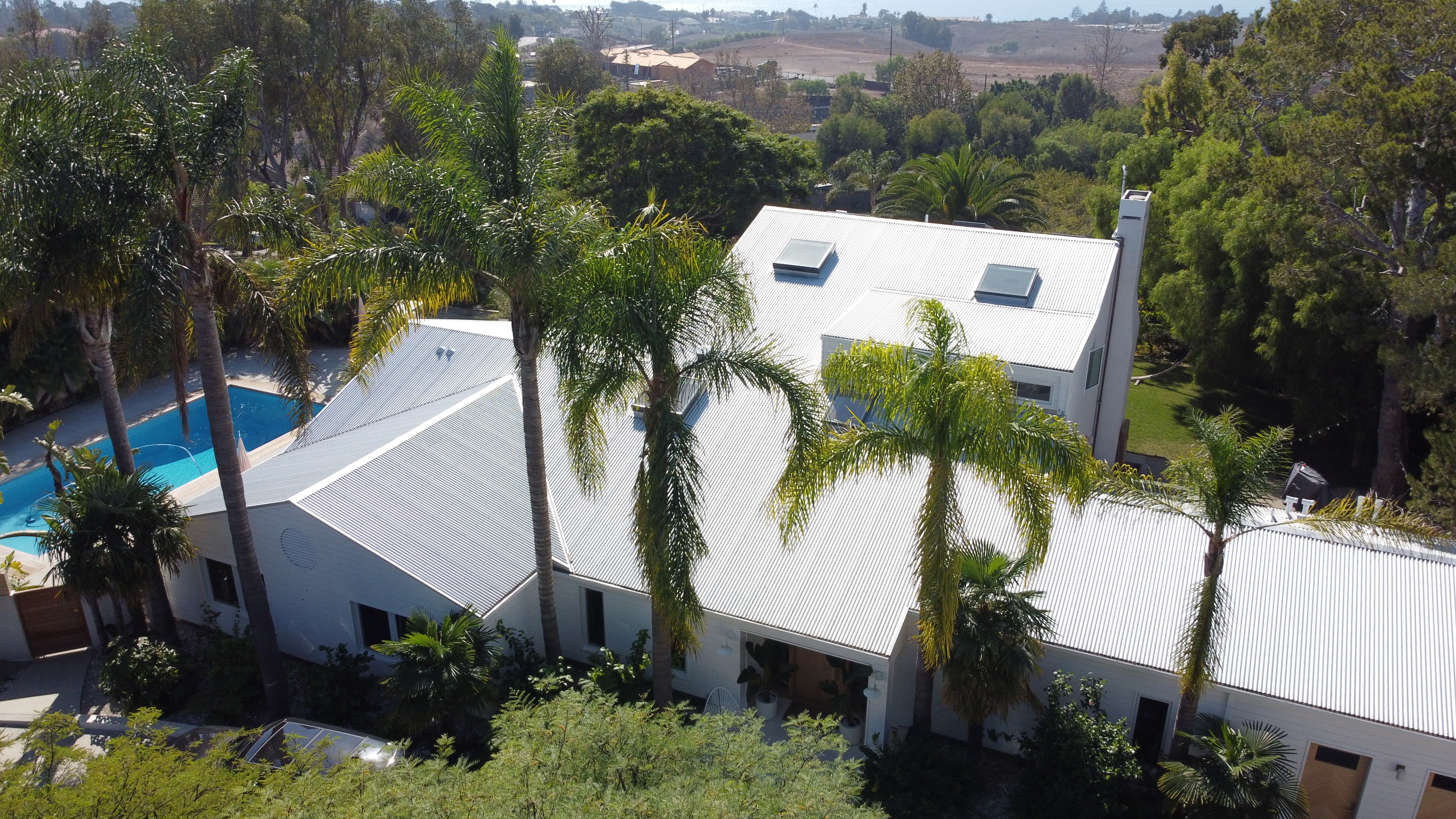
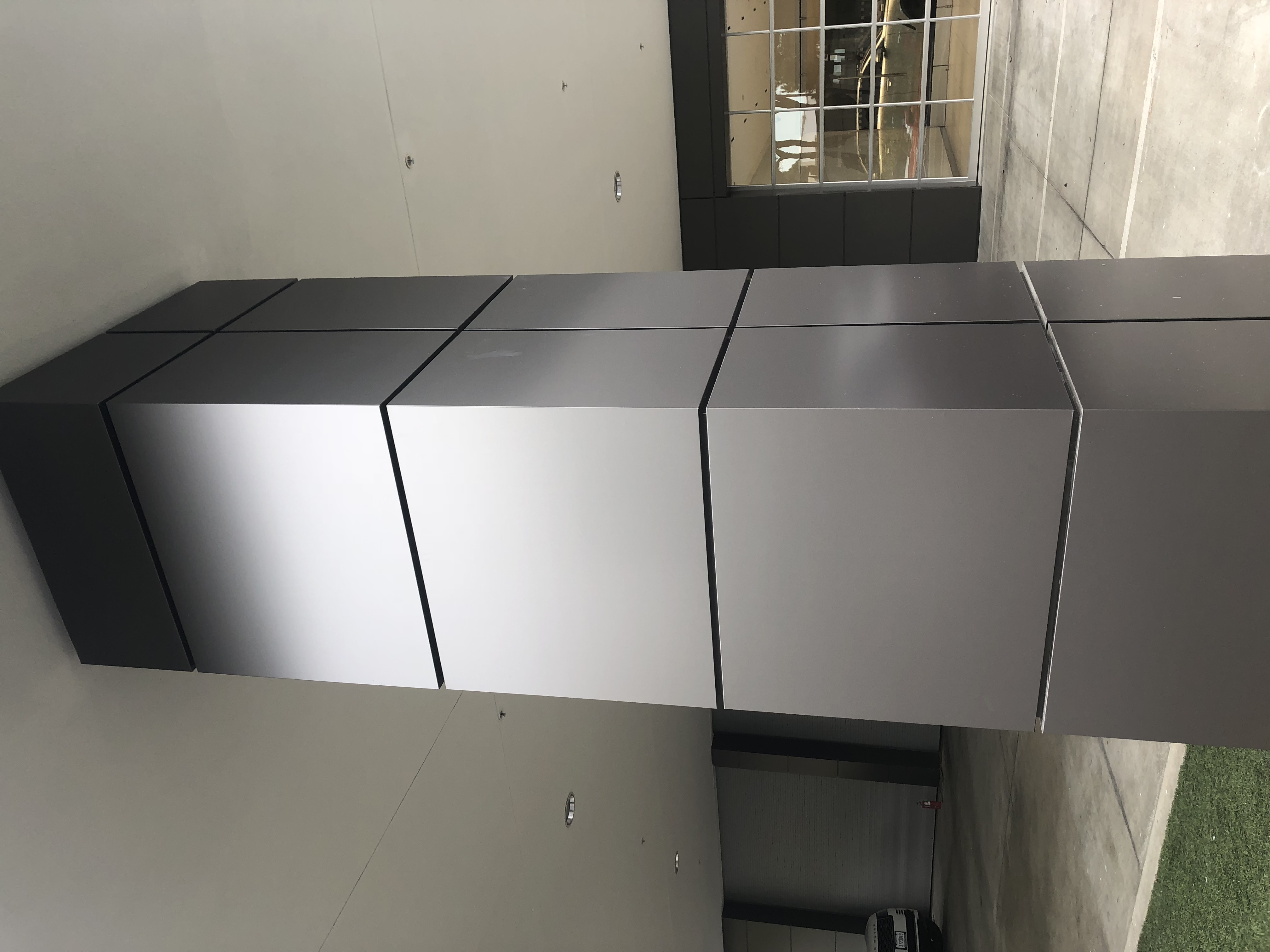
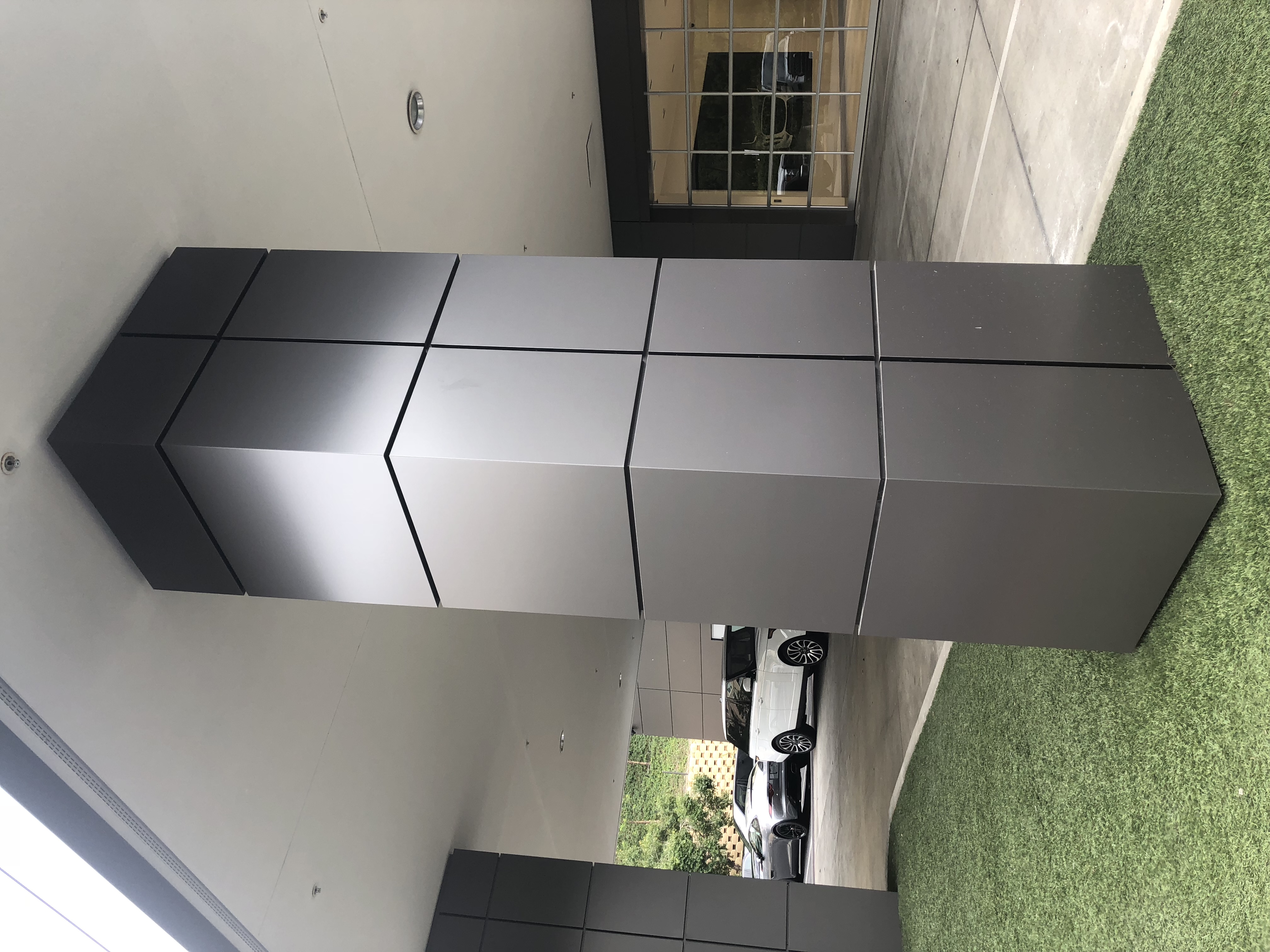
Copper has been employed architecturally for centuries, and every year brings ingenious and unconventional applications from architects and designers working with this age-old metal. Copper and copper alloys are revered for their ability to seamlessly integrate modern design with traditional architecture and neighboring elements. Its character, durability, uniquely warm coloration, and soft reflective surface afford copper historical architectural associations alongside the latitude of a modern building material. As a sustainable, living, organic material, copper combined on a major scale with innovative design and respect for context inspires expression, creates dramatic statements, and deserves serious consideration for a wide range of design applications.
Excellent Corrosion Resistance
Copper's relative immunity to environmental conditions rests primarily on its natural ability to develop a protective patina. This process involves the formation of copper oxide, interspersed with cupric sulphide film, eventually culminating in a green patina. The rate of patination depends on copper's exposure to moisture, salt, and acidity from acid-forming pollutants: in marine climates, the entire process can take seven to nine years; in industrial environments, patina formation reaches its final stage in about fifteen to twenty-five years; and in clean rural atmospheres with low airborne sulfur dioxide, the final stage may take ten to thirty years to develop.
The patination corrosion rate averages between 0.0001" and 0.0003" per year. In a 0.027"-thick roofing sheet, that equates to no more than 5% corrosion over 100 years. The lifespan of copper roofing and cladding can therefore be regarded conservatively as 200 years, subject to substrate and structure — and some early applications are still performing after 700 years.
Fabrication
Conventional installation and fabrication techniques, similar to those used for other architectural metals, apply to copper and copper alloys. Its workability is comparable to zinc, using standard metal forming tools, processing, and machinery. Copper can be soldered, TIG welded, and accepts adhesives and sealants well. We supply copper in coil and sheet widths up to 48", in typical thicknesses from .020" to .125".
Green Building Product
Sustainable materials are key elements of green buildings. Some benefits of sustainable materials include durability, long life, recyclability, and energy and thermal efficiency — copper ranks highly in all of these categories.
A Cost-Effective Building Material
Copper is competitively priced against other architectural metals. New, more effective production techniques, combined with an abundance of raw and refined ore, have improved availability. Its corrosion immunity lowers installed unit cost, and well-researched designs that exploit its unique attributes, paired with long-term savings from durability and low maintenance, make copper a competitive architectural building material on a lifecycle basis — backed by our 25-year coastal warranty.
Copper Installations