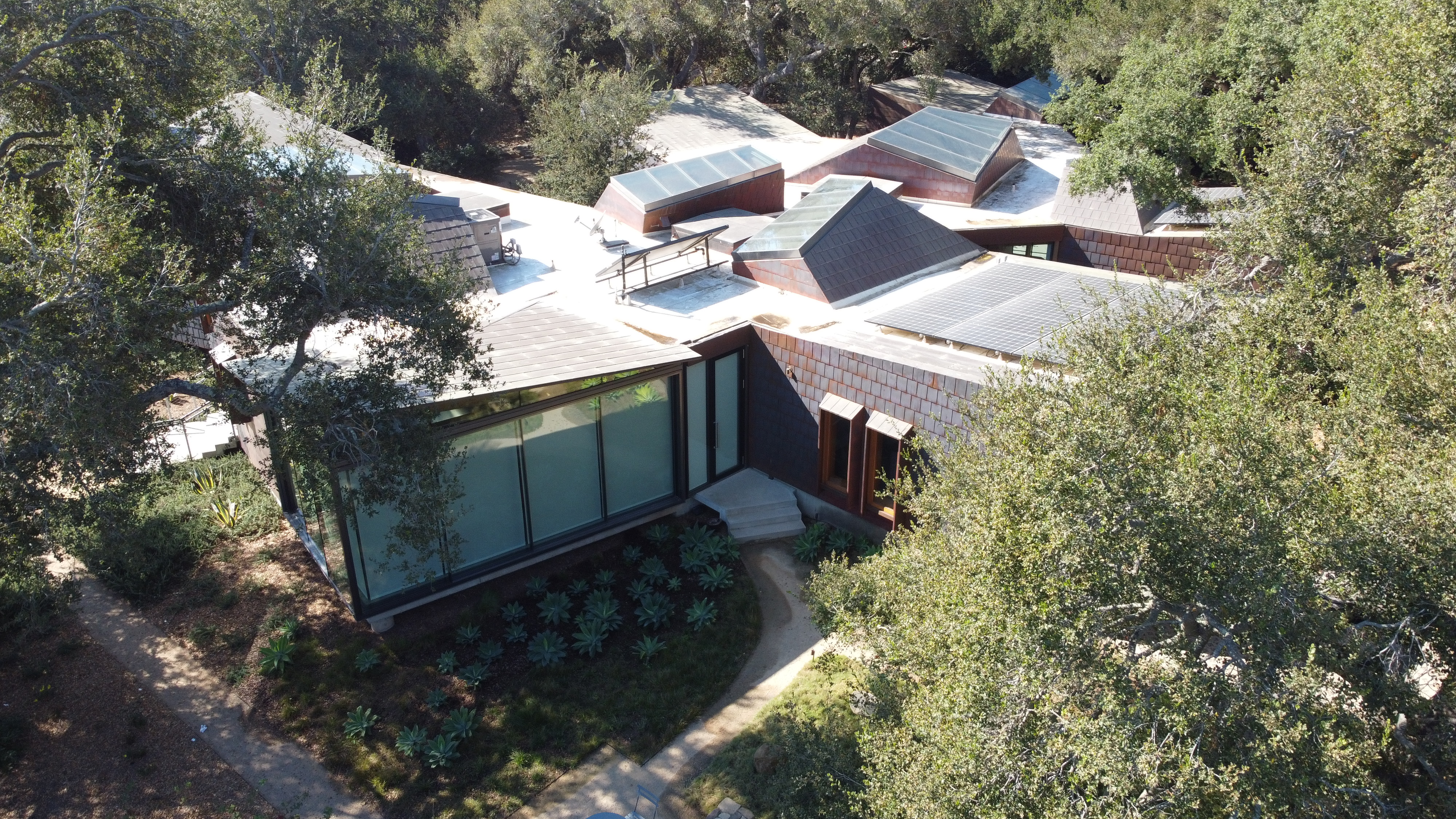
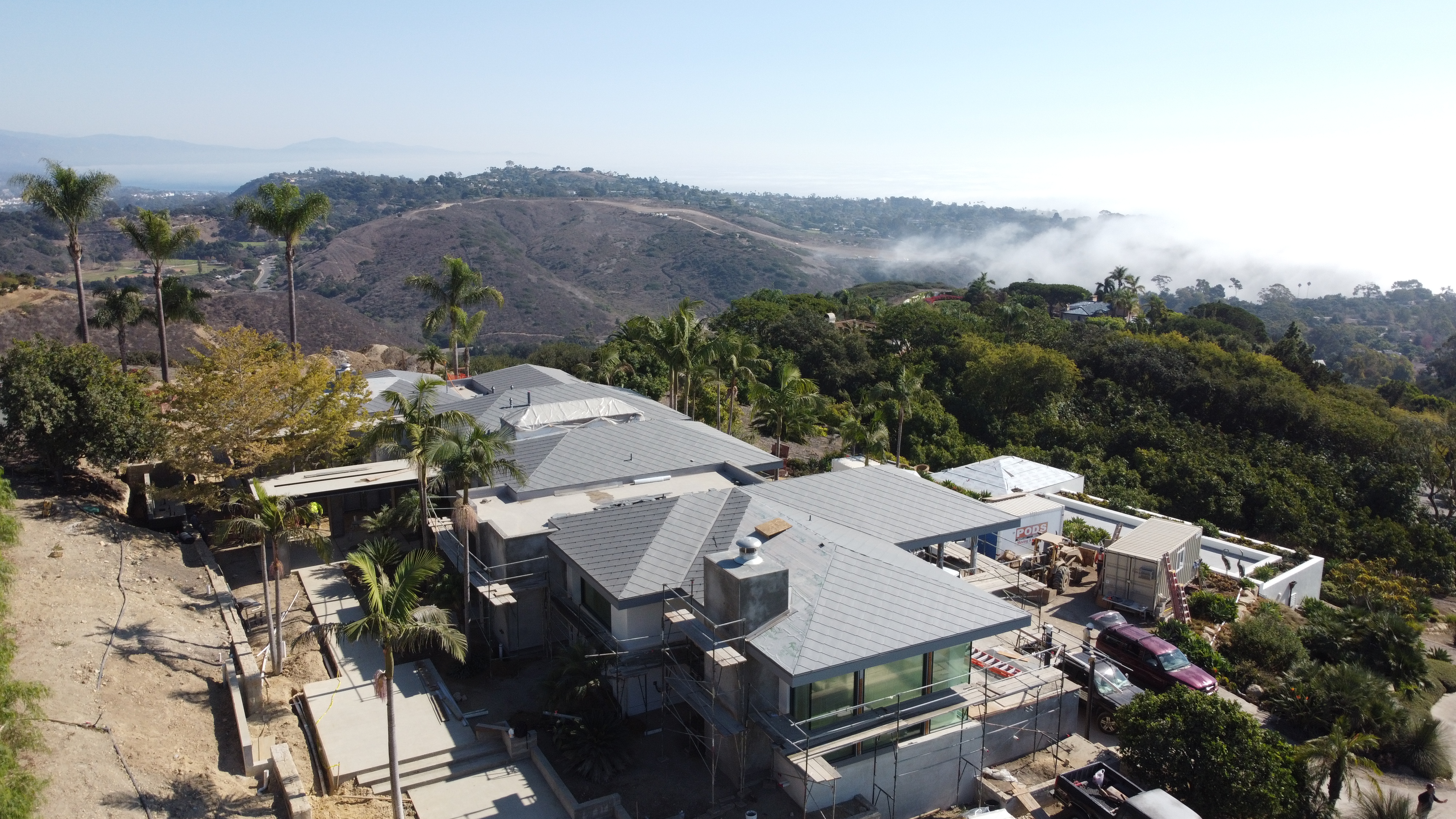
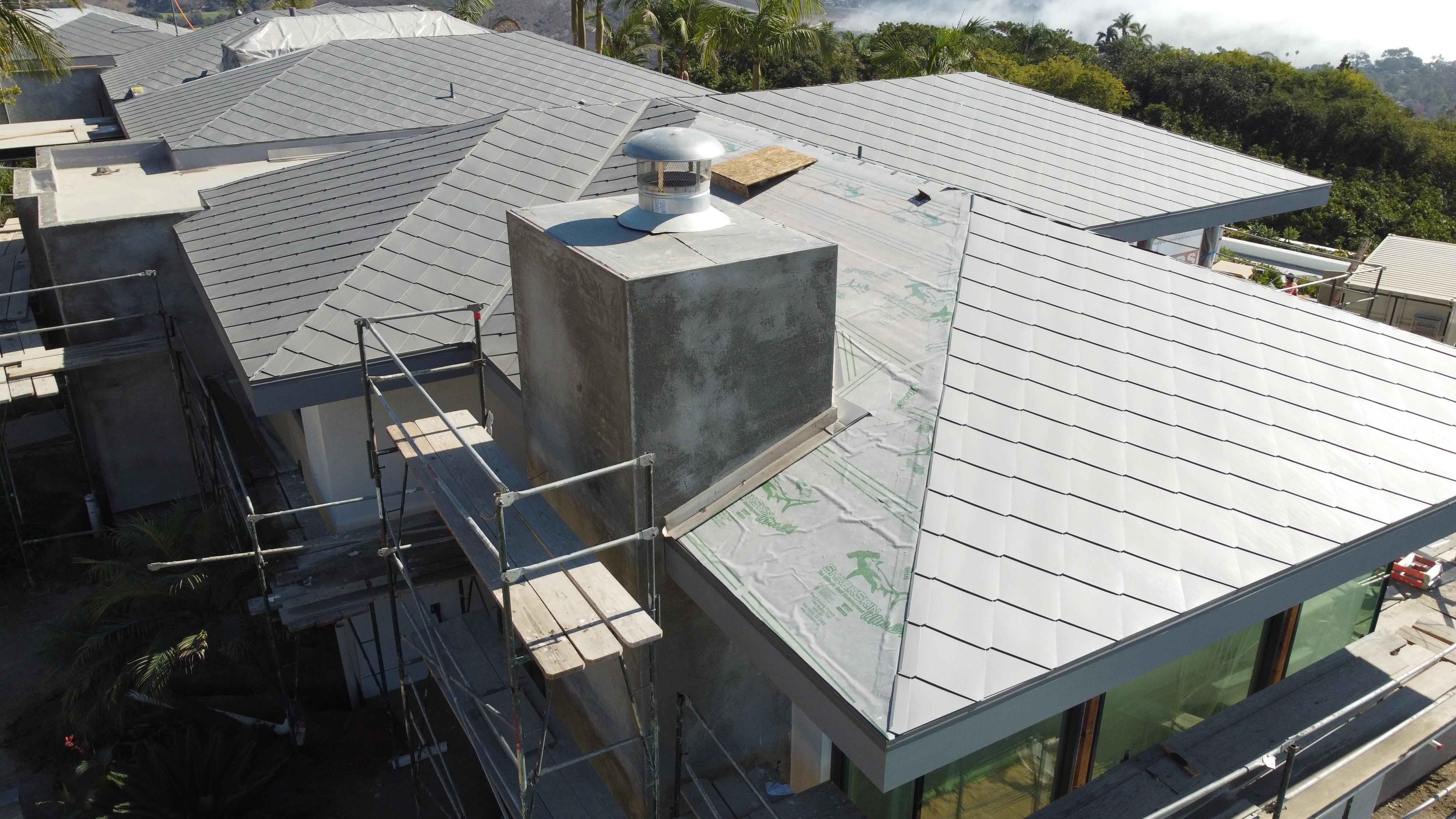
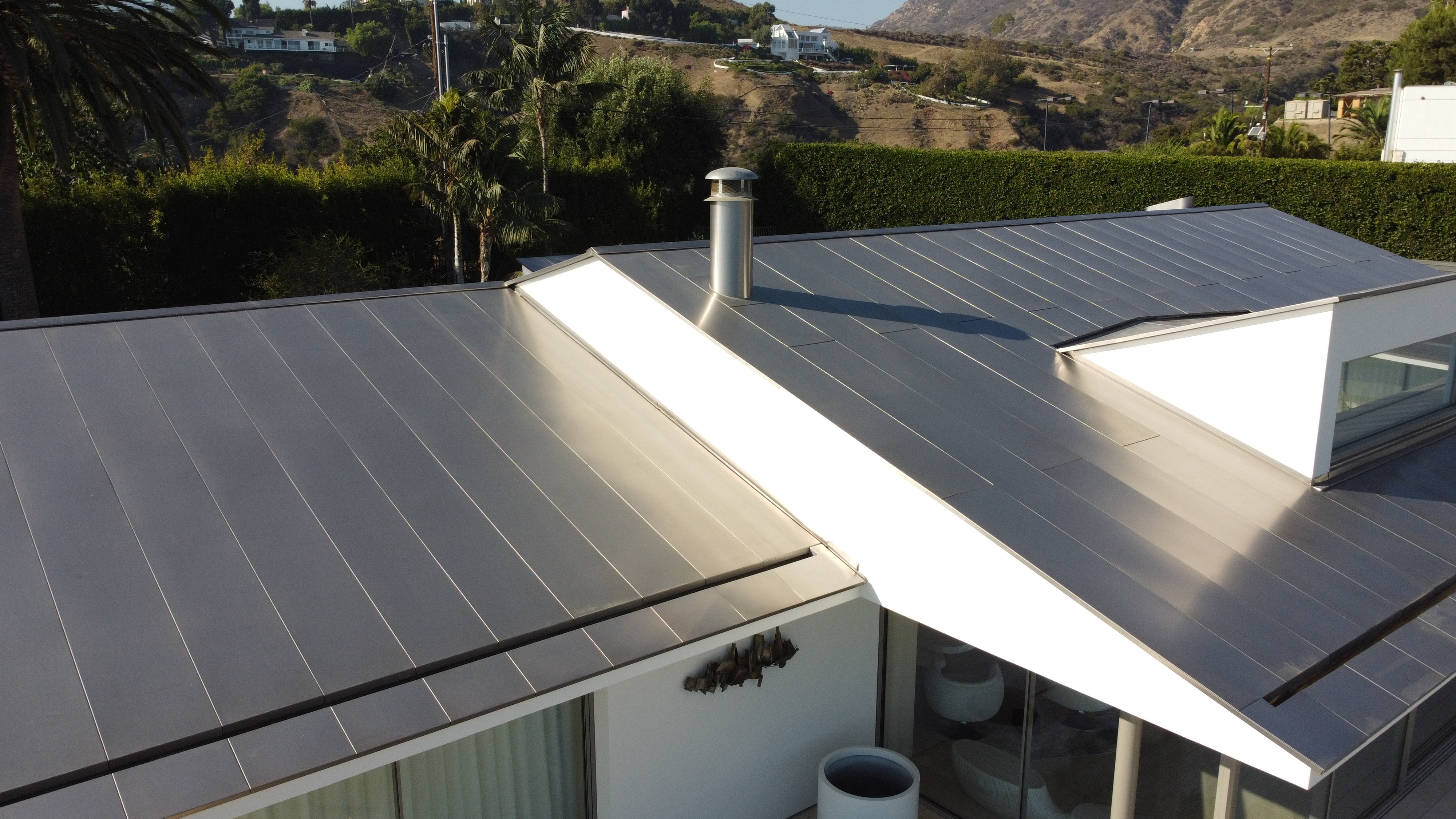
Stainless steel: synonymous with modern architecture.
A dynamic, reflective surface that complements rather than overwhelms surrounding materials — among the strongest, lightest, and most corrosion-resistant metals available.
Overview
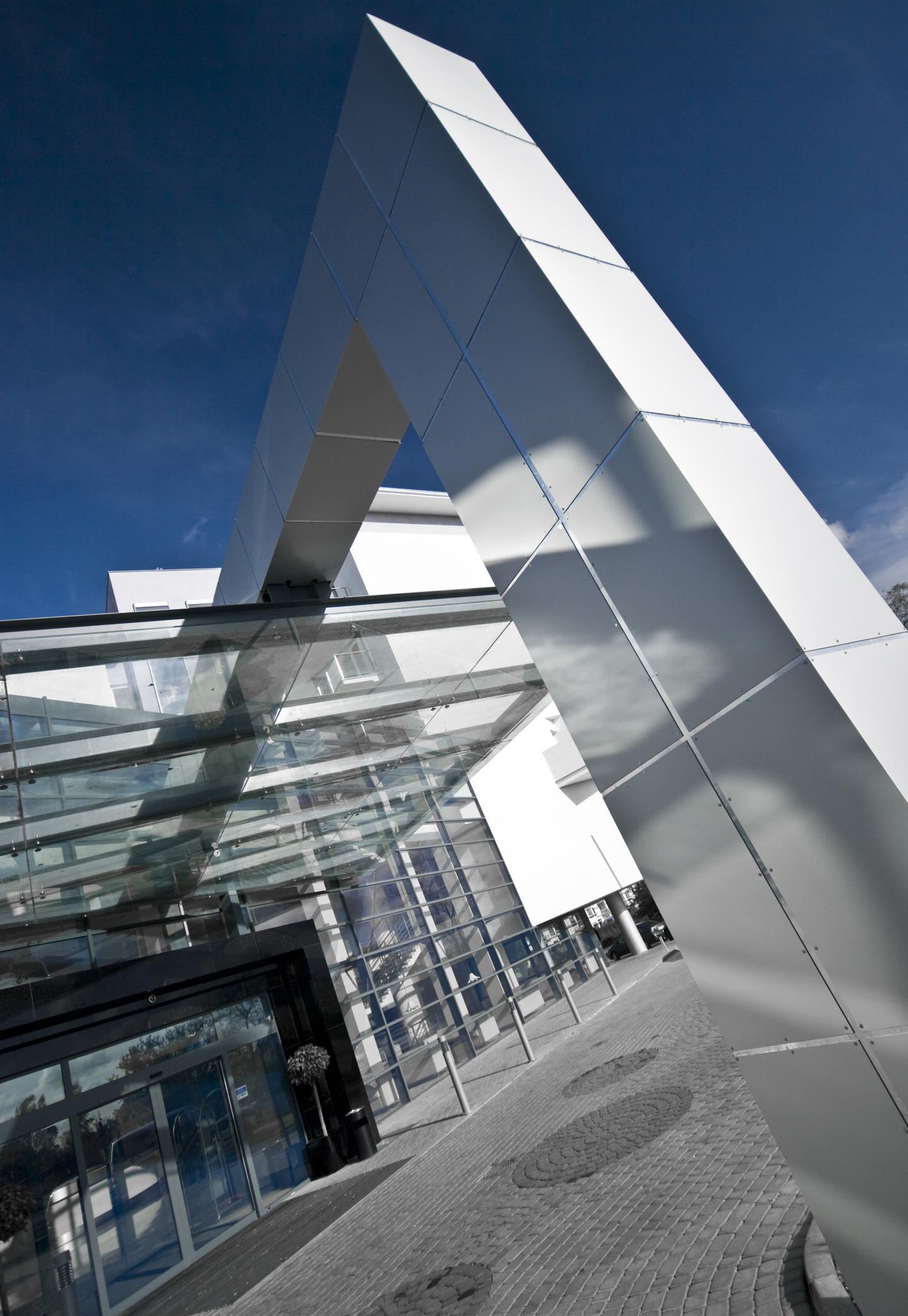
Stainless steel is synonymous with modern architecture. Since the early part of the twentieth century, it has provided opportunity and inspiration for generations of designers. Exciting and contemporary, yet with an impressive history spanning many decades, stainless steel blends successfully with its environment, reflecting surrounding colors and images with a dynamic and often stunning effect. It has a subtle sheen that doesn't overwhelm or intrude on other design and color elements — rather, it complements, reflects, and highlights surrounding materials. Stainless alloys offer excellent atmospheric and chemical resistance and a finished, permanent surface appearance, with no danger of deteriorating, streaking, or staining surrounding materials. Stainless is among the strongest, lightest, and most corrosion-resistant metals available; sturdy design elements paired with high tensile strength, competitive cost, and a wealth of colors and finish options continue to expand its use in architectural applications.
Thermal Coefficient
Stainless steel has a thermal coefficient similar to copper. It's a versatile material well suited to most building and construction applications, including fascia, gutter, coping, shingles, windows, doors, building entrances, accents, and a host of attractive interior and artistic applications.
Certain applications require similar preparation to zinc regarding thermal movement, and this should be observed when using stainless steel for large-area wall and roof panels to minimize deflection.
Surface Finish
A wide range of surfaces and finishing techniques are available for stainless steel. Color anodized, plated, abraded, mechanically polished, textured and embossed, or coated with zinc — each provides alternatives for the most demanding applications. Appreciating the range and methods used is important, since the final finish applied has a major effect on appearance, corrosion resistance, ease of cleaning, and resistance to damage.
Fabrication
Conventional installation and fabrication procedures, similar to those used for other architectural metals, apply to most stainless steel alloys. Its workability is comparable to conventional steel or titanium, using standard metal forming tools, processing, and techniques. Regular MIG or TIG welding is the norm; stainless steel can be hot soldered and readily accepts adhesives and sealants. Its strength-to-weight ratio simplifies fabrication and eases installation. We supply stainless steel in round or square tube, structural shapes, plate, coil, or sheet, in typical thicknesses from 0.020" to 0.25" and widths up to 60". Type 304 is most commonly specified for arid architectural applications, while Type 316 should be used in coastal projects.
Green Building Product
Sustainable materials are key elements of green buildings. Some benefits of sustainable materials include durability, long life, recyclability, and energy and thermal efficiency — stainless steel ranks highly in all of these categories.
A Cost-Effective Building Material
Stainless steel is competitively priced against other architectural metals. Emerging markets and more effective production techniques, combined with an abundance of raw material, have improved availability and lowered cost. Its corrosion immunity, strength, and physical properties further lower installed unit cost. Well-researched designs that exploit its unique attributes, paired with long-term savings from durability and low maintenance, make stainless steel one of today's most cost-effective architectural building materials on a lifecycle basis — backed by our 25-year coastal warranty.
Stainless Steel Installations