
Aluminum: the third material leg of modern architecture.
Light, strong, corrosion resistant, and shapeable into virtually any form — a tool for unlimited creativity in the hands of the architect.
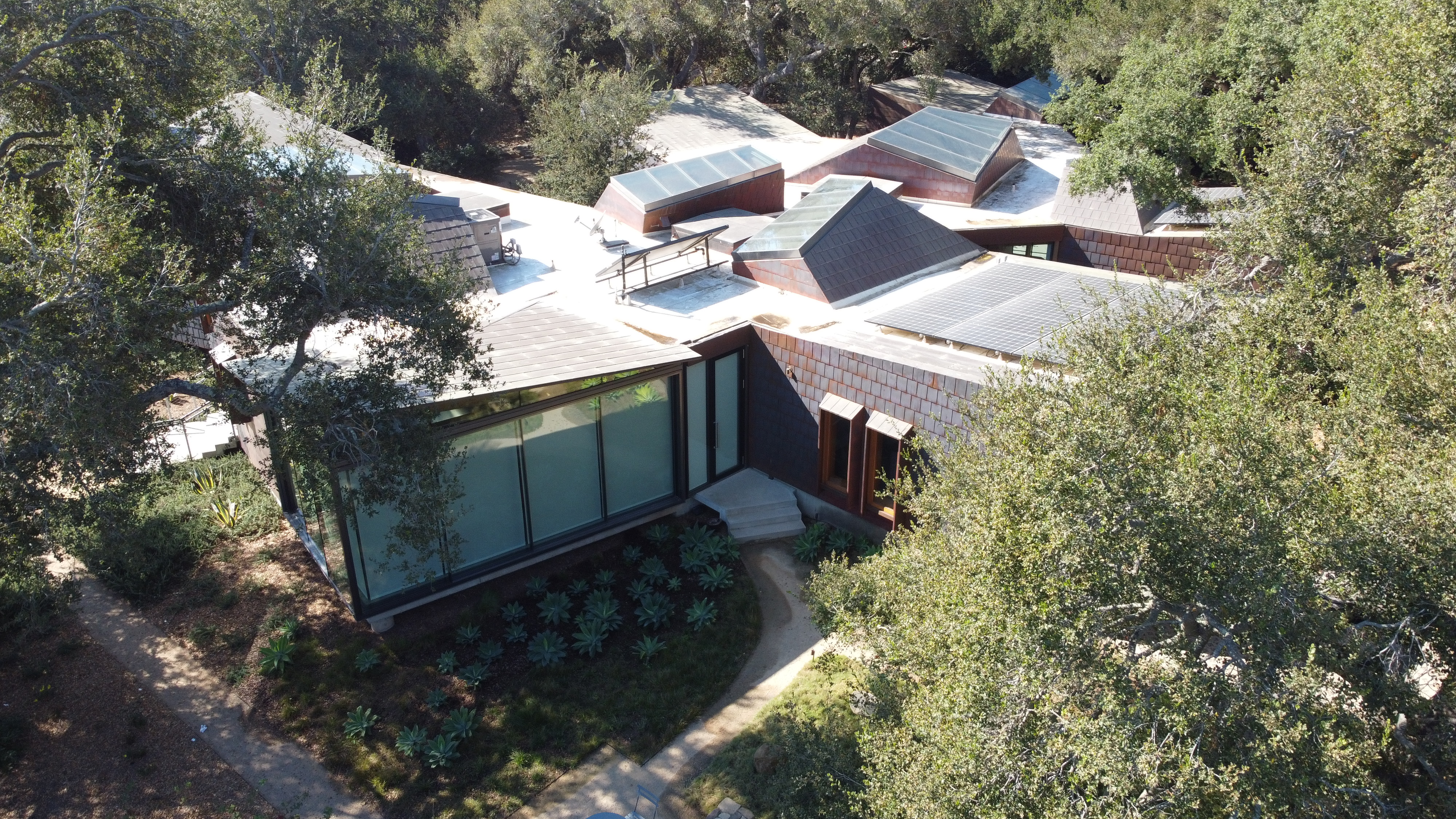
Overview
The twentieth century witnessed an explosion of new materials and assemblies for construction. Avant-garde architects who subscribed to the tenets of Modernism embraced reinforced concrete and glass to create remarkable new buildings — and if concrete and glass were the first two critical material legs of the stool for Modern architecture, aluminum was the important third leg. We can thank aluminum for the changing image of modern cities and towns: the clarity of lines, the desire to grow skyward, and the beauty, functionality, and environmental compatibility of present-day architecture. Light but strong, not prone to corrosion, non-toxic and durable, and shapeable into virtually any form, aluminum is a tool for unlimited creativity in the hands of the architect — making possible structures that can't be made from wood, plastic, or steel.
Corrosion Resistance and Longevity
The physical properties of aluminum make it a unique and useful material for an exterior building surface. Given its ability to resist continued corrosion, it's not uncommon for a properly designed aluminum roof or wall panel system to last over 30 years in most climatic conditions. When specifying aluminum for building and architecture projects, following established design and fabrication guidelines for optimizing coating quality ensures maximum aesthetics for roof and wall applications in acidic or coastal environments.
Thermal Expansion and Contraction
It's especially critical to allow for sufficient thermal movement in aluminum panels, which have an expansion rate twice that of steel. Even in a temperate climate, aluminum will expand almost an entire inch for every 30 feet of panel under extreme temperature differentials. If clips or fasteners restrict the panel during expansion or contraction, the panel surface will buckle — an effect more pronounced in larger panels — and restricting movement will also cause solder or sealants that keep the system watertight to break down over time.
All components should be given approximately ¼"–½" at laps, ends, joints, and seams to allow for thermal expansion.
Fabrication
Conventional installation and fabrication techniques, similar to those used for other architectural metals, apply to aluminum. Its workability is comparable to copper, using standard metal forming tools, processing, and machinery. Aluminum is TIG weldable and accepts adhesives and sealants well. We supply it in coil and sheet widths up to 72", in typical thicknesses from .015" sheet up to 1.00" plate.
A Cost-Effective, Sustainable Material
Aluminum is economically priced against other architectural metals, and its corrosion resistance lowers installed unit cost. Long-term savings from durability and low maintenance make it a competitive architectural building material on a lifecycle basis.
- Anodizing / painting offer durable, virtually limitless design options
- Competitively priced
- 100% recyclable — a sustainable green material
- Highest strength-to-weight ratio of any architectural metal
- 25-year warranty